
Buyer's Desk
Equipment-Only vs. Installed MRI Project Cost: What Should Buyers Compare?
September 25, 2026 · 6 min · Medical Imaging Specialists
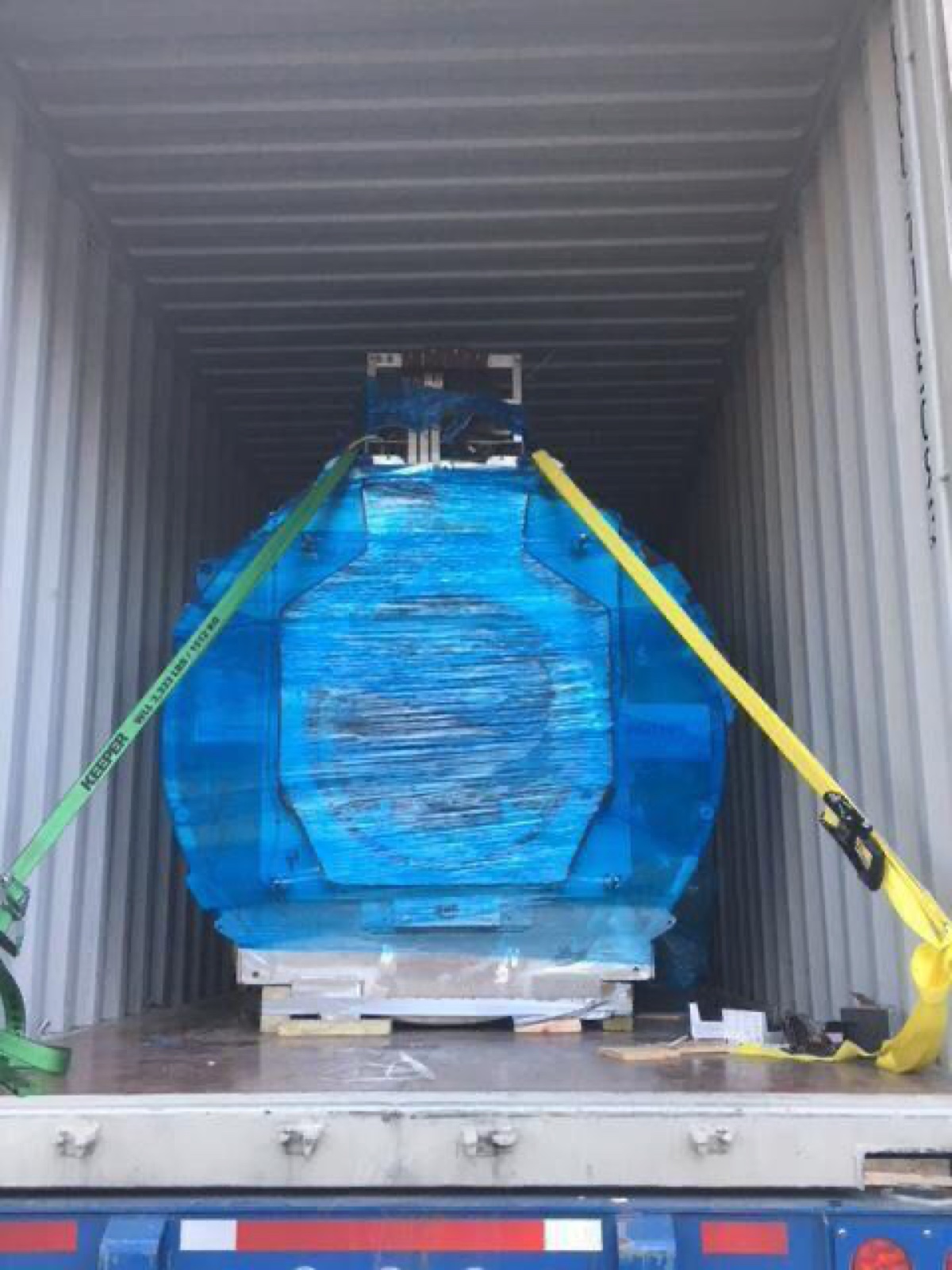
Practical considerations, risk points, and what to ask before you buy, service, move, or maintain imaging equipment.
Considering a lease instead?
Equipment, service, PMs, parts, and applications support can be bundled into one monthly payment.
If this article is about financing, ROI, service contracts, or total cost of ownership, the leasing model may simplify the decision.
An equipment-only MRI price covers the scanner and listed accessories. An installed MRI project cost covers the path from purchase to acceptance: deinstallation, rigging, freight, storage, site readiness, installation, startup, applications support, service, parts, and warranty or support terms. A buyer should not compare those two numbers as if they are the same quote. For a used or refurbished MRI, the safer question is: what will this exact system cost to buy, move, install, accept, and keep running at this site?
That distinction matters for imaging centers, hospitals, and outpatient groups in Bradenton, Sarasota, Tampa Bay, Florida, the Caribbean, and Latin America. A low equipment number can still become expensive if the room is not ready, the coil package is incomplete, or the service plan starts after a failure.
For the broader cost framework, read how much a used or refurbished MRI machine costs. This article focuses on the quote comparison problem: equipment-only price versus installed project cost.
What does an equipment-only MRI price usually include?
An equipment-only MRI price should identify the scanner being sold and the items included with it. At minimum, the quote should name the manufacturer, model, field strength, bore style, software level, workstation, table, coil package, accessories, current location, operating status, and stated exclusions.
“1.5T MRI available” is not enough information for a capital decision. The buyer needs to know whether the system is being sold as-is, tested, refurbished, or refurbished with a documented scope. The quote should also say whether the system is installed, removed, stored, or staged for resale.
Equipment-only pricing may be appropriate when the buyer already has a qualified team handling removal, transport, site review, installation, service, and acceptance. For most clinical buyers, though, equipment-only pricing is only the first line in the budget.
What belongs in an installed MRI project cost?
An installed MRI project cost should define the work needed to get the system from the seller’s site or warehouse to a clinically usable handoff at the buyer’s site. The scope varies by model and project, but the quote should make the ownership chain visible.
Important project-cost categories include deinstallation, rigging, crating, freight, storage, insurance, destination access, room readiness, RF shielding review, power, HVAC or chiller requirements, quench planning for superconducting systems, network readiness, installation, startup, calibration, applications support, acceptance steps, first service path, preventive maintenance, warranty or service coverage, and parts availability.
Not every project needs every line item from the same vendor, and MIS should not be assumed to cover every MRI, site, geography, part, or installation scope automatically. The key is that the quote states who owns each responsibility, what is included, what is excluded, and what still needs review.
Why can the two quotes look so different?
Equipment-only and installed-project quotes can look far apart because they answer different questions. One asks, “What is the scanner price?” The other asks, “What will it take to make this scanner useful at this facility?”
MRI projects have more moving parts than the magnet itself. A coil gap, chiller issue, room access problem, freight delay, shielding question, or unclear service path can change the real budget.
The biggest comparison mistake is choosing the lower number before identifying the scope. A cheap equipment-only quote can be right for a buyer with strong internal resources and wrong for a first-time imaging center that still needs siting, logistics, installation, acceptance, and support.
How should buyers compare MRI quotes fairly?
Put every MRI quote into the same table before deciding. Use five columns: included, excluded, owner, evidence needed, and unknown. If a line item is missing, do not assume it is free or unnecessary. Mark it as unknown and ask.
Start with system identity. Does each quote specify the model, field strength, bore style, software level, coil list, accessories, and current operating status?
Then check condition evidence. Are service records available? Is the magnet operating? Has it been tested? Are coil, chiller, table, software, and known-fault notes documented? If the seller calls the MRI refurbished, does the quote explain what was inspected, repaired, replaced, tested, or excluded?
Next, review logistics. Who handles deinstallation, ramp down, rigging, crating, freight, insurance, storage, customs or import steps if relevant, destination rigging, and damage responsibility?
Finally, review site and support. Who confirms room readiness, access path, quench planning, installation, startup, applications, acceptance, service, parts, and warranty or PM coverage?
For a deeper quote checklist, use what should be included in a used or refurbished MRI quote.
Which site issues can change an MRI project cost?
Site readiness is where many MRI budgets move after the equipment quote is signed. A room that previously held an MRI may still need review for a different model, field strength, bore, chiller setup, access path, or service clearance.
Common project questions include: Can the magnet reach the room? Are power and grounding suitable? Does the HVAC or chiller plan match the equipment? Is RF shielding adequate? Is the quench path understood for superconducting systems? Who signs off before first clinical use?
Florida buyers may also need to think about heat, humidity, storm planning, contractor timing, and downtime if the room is a replacement project. Caribbean and Latin America projects may add freight, customs, import, voltage, and local service-routing questions.
Use the MRI site planning guide before treating any equipment quote as the full project cost.
What should a buyer send MIS before asking for a scoped MRI review?
Send enough information to make the answer useful without sending patient information. Helpful details include the intended clinical use, preferred field strength, open or closed bore preference, facility location, room status, timeline, new install or replacement status, service expectations, known site constraints, and any candidate system.
If a candidate MRI is already identified, include the manufacturer, model, field strength, bore style, software level, coil list, current location, operating status, available service history, seller inclusions, seller exclusions, and removal deadline. Unknowns are fine. “Help me identify it” is better than a guessed model.
Do not send patient images, worklists, reports, accession numbers, credentials, or unredacted clinical screenshots. If MIS needs drawings or equipment/site photos, use an approved follow-up path.
When is equipment-only pricing the right path?
Equipment-only pricing can be reasonable when the buyer controls the rest of the project. That might be a reseller buying for inventory, a facility with an established MRI project team, or a buyer comparing a known replacement where site, installation, and service responsibilities are assigned.
Even then, buyers should document the exclusions. Equipment-only should not mean vague. It should mean the system and included items are clear, the buyer knows which risks they are keeping, and the missing project lines have owners.
When should buyers ask for installed project scope instead?
Ask for installed project scope when the facility needs help understanding the real go-live path. That includes first MRI purchases, room changes, replacement projects with downtime risk, cross-border logistics, uncertain service coverage, missing coil or software details, unclear chiller status, or undefined acceptance.
Installed scope is not just a larger quote. It helps the buyer see which costs belong to the equipment, room, logistics, and ongoing support.
Medical Imaging Specialists is based in Bradenton, Florida, and works across equipment sales, refurbishment, installation planning, field service, parts, and preventive maintenance. Start with current MRI equipment options, review MIS service support, and request a scoped project review through /quote or /contact.
FAQ
Is equipment-only MRI pricing misleading?
Not necessarily. It is misleading only when it is presented or compared as the full project cost. Equipment-only can be useful if the buyer knows what is excluded and has owners for logistics, site readiness, installation, service, and acceptance.
Does a used MRI quote include installation?
Only if the quote says so. Installation, ramp and shim support, chiller work, applications support, acceptance steps, service coverage, and site responsibilities should be written into the scope.
What is the best way to compare two used MRI quotes?
Compare equivalent scope. Put each quote into a checklist with system identity, condition evidence, included accessories, logistics, site responsibilities, installation, acceptance, warranty or service support, parts path, exclusions, and unknowns.
Can MIS help if I do not know which MRI model or site scope I need?
Yes. MIS can help buyers review modality, clinical use, location, timeline, room status, candidate systems, service expectations, and project constraints. If a detail is unknown, say so; a scoped review should identify the missing information instead of forcing guesses.
Get the MRI quote scoped before comparing numbers
If you are comparing used or refurbished MRI options, do not stop at the scanner price. Separate equipment-only cost, installed project scope, and ongoing support. Then ask who owns every gap.
Need help reviewing an MRI quote? Send MIS the modality, target system if known, facility location, room status, timeline, clinical use case, service expectations, and PHI-free project details through /quote or /contact.
Need help with this exact problem?
Send the modality, site location, timeline, and any system details. MIS will route the request by intent.
Related resources
Buyer's Desk
What Should Be Included in a Refurbished Imaging Equipment Quote?
Compare refurbished CT, MRI, PET/CT, and X-ray quotes by project scope, acceptance evidence, warranty start, logistics, service, and parts support.
Buyer's Desk
Does a Used MRI Price Include Installation?
A used MRI price may or may not include installation. Learn how to compare equipment-only quotes, installed project scope, and ongoing support before buying.
Buyer's Desk
What Should Be Included in a Used or Refurbished MRI Quote?
A used or refurbished MRI quote should define the scanner, coils, software, site assumptions, logistics, installation, service path, warranty scope, and exclusions.