
Buyer's Desk
Used vs Refurbished PET/CT: What Buyers Should Ask
July 3, 2026 · 6 min · Medical Imaging Specialists
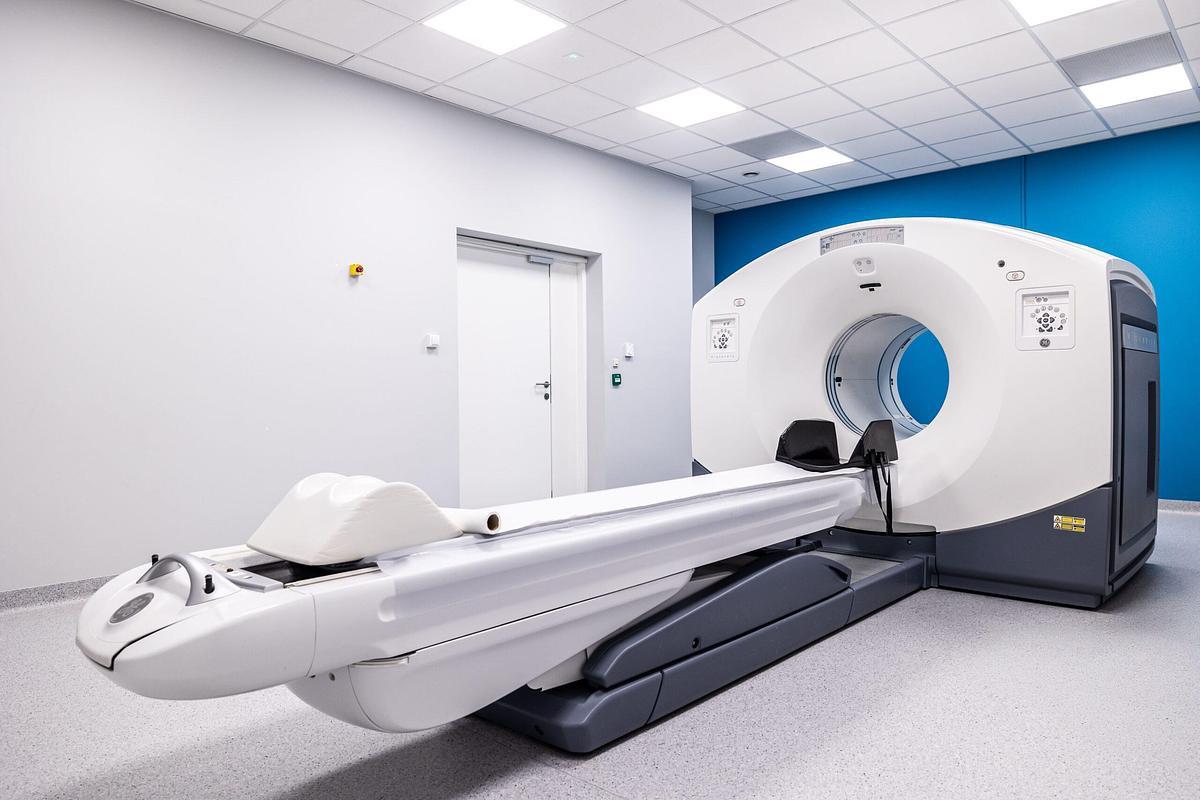
Practical considerations, risk points, and what to ask before you buy, service, move, or maintain imaging equipment.
Used, refurbished, tested, and as-is PET/CT systems are not the same thing. The label affects price, risk, installation planning, service expectations, and what a buyer should demand in writing before moving forward. A refurbished PET/CT should come with a clearer inspection, repair, cosmetic, testing, logistics, and support scope than a basic used or as-is listing. Before comparing quotes, ask exactly what has been tested, what is included, what is excluded, who owns deinstallation and installation, and how the system will be supported after go-live.
That answer matters because PET/CT is a two-part risk profile: PET detector performance on one side and CT tube, generator, software, cooling, and mechanical condition on the other.
Why the label matters before the price
Most PET/CT buyers start with the same question: “What does it cost?” That is fair, but it is not enough. A lower equipment price can hide a bigger project cost if the system needs detector work, CT tube replacement, missing workstations, software cleanup, deinstallation, crating, rigging, freight, storage, installation labor, applications support, or a service plan.
One quote may be a PET/CT still installed at a hospital, sold as-is where-is, with the buyer responsible for removal. Another quote may be a refurbished system that has been inspected, cleaned, repaired where needed, staged, documented, moved, installed, tested, and supported by a service team with access to parts. Those are different offers, even if the model name is identical.
For broader budgeting context, read how much a used or refurbished PET/CT scanner costs. If you are still comparing platforms, start with the refurbished PET/CT buying guide and the GE vs Siemens PET/CT comparison.
The practical rule: do not compare PET/CT quotes until the condition language is defined.
What “used PET/CT” usually means
“Used” usually means the system has had a prior owner and is being resold. It may still be installed and working. It may be recently removed and stored. It may have complete service records, or it may have gaps. It may include acquisition workstations, processing stations, patient table accessories, manuals, software keys, and coils or accessories where relevant, or it may not.
Used is not automatically bad. A clean used PET/CT with good service history, known detector status, a reasonable CT tube position, documented software, and a planned deinstall can be a solid project. But the buyer has to verify the facts.
Ask for the manufacturer, model, year, serial number, CT slice count, detector technology, software/options, included workstations, service history, tube information, detector performance notes, current location, removal status, and whether support beyond the equipment sale is included.
What “refurbished PET/CT” should mean
“Refurbished” should mean more than wiped-down cosmetics and a sales description. For PET/CT, a serious refurbishment scope should cover inspection, component review, cleaning, cosmetic preparation, repair or replacement where needed, configuration review, documentation, transport planning, installation planning, and post-install support expectations.
The exact work depends on the system. A PET/CT with documented service and strong performance may need a different scope than a system removed from a difficult site or one with known issues. The refurbisher should be able to explain what was inspected on the PET side, what was inspected on the CT side, what parts were repaired or replaced, what testing happens before shipment, what testing happens after installation, what accessories are included, and who supports the system after acceptance.
This is where an engineer-led vendor matters. MIS handles equipment sales alongside service, parts, deinstallation, shipping, installation coordination, and preventive maintenance, so the quote can be built around the real go-live path instead of just the scanner price.
Where “tested” and “as-is” fit
“Tested” can be useful language, but only if the vendor explains what was tested. Did the system power on? Was it scanned? Were PET detector checks reviewed? Was the CT side evaluated? Were image-quality checks completed? Was the system tested before removal, after removal, or both? A simple “tested working” claim without context is not enough for a PET/CT purchase.
“As-is” is the highest-caution category. It often means the buyer accepts the equipment in its current condition with limited recourse and responsibility for repair or missing items. That may make sense for a parts recovery project, an experienced reseller, or a buyer with in-house technical capability. It is usually not the cleanest path for an outpatient center that needs predictable go-live timing.
As-is does not always mean worthless. It means the risk is shifted toward the buyer. If the quote is low because the system is as-is, budget for diagnostics, possible missing accessories, component replacement, logistics surprises, and service support.
The PET/CT checklist buyers should use
Before approving a PET/CT purchase, put the quote through a practical checklist. Start with equipment identity: manufacturer, model, year, serial number, CT slice count, PET detector generation, software level, options, workstations, and accessories.
Then review condition. Ask for service records when available, CT tube information, detector condition notes, uptime history, known faults, missing parts, cosmetic condition, current installation status, and whether the system can be demonstrated. If service records are limited, say so in the risk review instead of pretending the gap does not matter.
Next, confirm scope. Who handles deinstallation, rigging, crating, freight, insurance, storage, delivery, installation, calibration, acceptance testing, applications support, and service after go-live? A PET/CT project touches more than equipment purchasing. It touches facility access, radiation-safety planning, power, HVAC or cooling, network connectivity, PACS/RIS routing, hot lab workflow, and staffing.
For planning context, read PET/CT scanner site requirements before buying and medical imaging equipment deinstall, shipping, and installation.
Finally, confirm the service path. Ask who will support preventive maintenance, where parts will come from, what response expectations are realistic, and what is excluded.
Common mistakes when comparing PET/CT quotes
The first mistake is treating “used” and “refurbished” as interchangeable. They can describe the same model at very different risk levels. If one vendor includes testing, installation support, and service planning while another sells equipment only, the lower number may not be lower by the time the system is scanning patients.
The second mistake is focusing only on the PET side. PET detector technology matters, but the CT side still carries tube, generator, table, cooling, workstation, software, and slice-count risk.
The third mistake is assuming site work is included. Room readiness, shielding review, power, HVAC, access path, network, PACS/RIS connectivity, and hot lab workflow depend on the facility and system.
The fourth mistake is sending too little information for a quote. MIS can give better direction when buyers share the intended clinical use, location, timeline, site status, preferred manufacturer, slice-count needs, service expectations, budget context, and whether an existing system must be removed. Do not send patient information, accession numbers, reports, schedules, labels, or screenshots that contain PHI.
For a broader intake list, use what to send before requesting a used imaging equipment quote.
FAQ
Is refurbished PET/CT always better than used PET/CT?
Not always. A well-documented used PET/CT can be a good fit, and a poorly defined “refurbished” claim can be weak. The stronger quote is the one that clearly explains condition, testing, included items, installation scope, service support, and exclusions.
What is the biggest risk with an as-is PET/CT?
The biggest risk is uncertainty. Missing accessories, weak documentation, detector issues, CT tube exposure, software limitations, removal damage, or unknown service history can turn a low equipment price into a more expensive project.
Does refurbished PET/CT include installation?
Sometimes, but never assume it. Installation, rigging, freight, applications support, service coverage, and site work should be written into the quote if they are included.
Can MIS help after the PET/CT is installed?
Yes. MIS supports medical imaging equipment sales, service, parts, preventive maintenance, deinstallation, installation coordination, and project planning. The support scope should be matched to the exact system and site.
Schema recommendation
Use Article or BlogPosting schema for the post and FAQPage schema for the FAQ section. Because this is a PET/CT buyer-intent topic, related PET/CT equipment pages may also support Product or Service schema when real listing, quote, or service details are approved. Do not use fake price, availability, warranty, or offer data.
Get the PET/CT quote scoped before you compare numbers
If you are comparing used, refurbished, tested, or as-is PET/CT systems, send MIS the model, slice-count needs, clinical use case, site status, location, timeline, service expectations, and budget context. Start with the PET/CT equipment page, request a quote at /quote, or contact the team at /contact. A good PET/CT quote should help you understand the equipment, the project, and the support path before you commit.
Need help with this exact problem?
Send the modality, site location, timeline, and any system details. MIS will route the request by intent.
Related resources
Ops Playbook
How Long Does CT Scanner Installation Take? Planning Guide
CT scanner installation timing depends on site readiness, rigging, power, cooling, shielding review, IT, service support, and project scope.
Buyer's Desk
What Is a Fair Price for Used X-Ray Equipment?
A fair used X-ray equipment price depends on scope, detector condition, site readiness, installation, service, parts, and support.
Buyer's Desk
How Much Does Used Medical Imaging Equipment Cost?
Used medical imaging equipment cost depends on modality, model, condition, site work, installation, service, parts, and support scope.