
Ops Playbook
Can a CT Scanner Go in an Existing X-Ray Room?
July 5, 2026 · 6 min · Medical Imaging Specialists
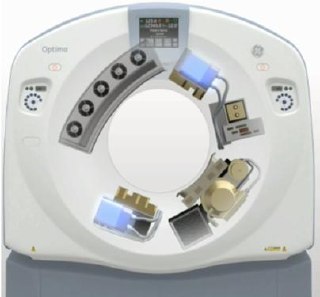
Practical considerations, risk points, and what to ask before you buy, service, move, or maintain imaging equipment.
Sometimes, but never assume it. An existing X-ray room may be able to support a CT scanner if the room has enough space, structural capacity, electrical service, HVAC/cooling, shielding review, access path, control workflow, IT connectivity, and service clearance for the specific CT model. The room still needs a site-specific review before purchase or delivery. A room that works for radiography does not automatically work for CT, and the expensive mistake is buying the scanner before the room, utilities, and logistics have been checked.
Why the existing room question matters
Reusing an X-ray room can be a smart project strategy. The space may already be clinically zoned, close to patient flow, and built with some shielding in place. But CT is not just “bigger X-ray.” The gantry, patient table, power demand, cooling load, operator workflow, network requirements, service access, and delivery path are different.
The right question is not, “Can a CT physically fit through the door?” It is, “Can this exact CT be installed, cooled, powered, shielded, serviced, connected, and operated in this space without creating a project problem after the purchase order is signed?”
If you are still comparing systems, start with MIS’s CT scanner slice count guide and current CT equipment options. Site fit should be part of that buying decision from the beginning.
Room size, layout, and workflow come first
The first pass is simple: measure the room and map the workflow. The scan room needs space for the gantry, table travel, patient transfer, staff movement, emergency access, and service panels. The operator console needs a clear workflow and patient visibility.
Existing X-ray rooms can be tight because radiography equipment often sits differently in the space. If the room is too tight, staff may be able to scan patients, but service engineers may not be able to safely open panels, replace components, or work around the system. A CT room that is barely installable can become hard to maintain.
Before requesting a quote, send room dimensions, ceiling height, photos from each corner, existing equipment layout, control room layout, nearby doors, hallways, and any drawings you have. Do not include patient information in photos, schedules, screens, labels, reports, or documents.
Power and cooling are often the real blockers
Power is one of the fastest ways an X-ray-to-CT conversion gets more complicated. CT scanners often need dedicated electrical infrastructure, clean grounding, and power quality that matches the manufacturer’s pre-installation requirements. Cooling is just as important because CT systems generate heat through the X-ray tube, gantry electronics, reconstruction hardware, and related cabinets.
The existing X-ray room HVAC may have been adequate for radiography, but CT heat load and equipment-room needs can change the mechanical plan. The equipment vendor, electrician, mechanical contractor, facility team, and qualified local reviewers need to work from the actual CT pre-installation documentation before the scanner ships.
For broader ownership planning, read what causes CT tube failure and MIS’s CT and MRI preventive maintenance checklist. Power, cooling, environment, and maintenance all show up later as uptime issues.
Shielding still needs a qualified review
An existing X-ray room may already have lead or other shielding, but that does not mean it is automatically acceptable for CT. CT workload, beam geometry, scanner output, room use, adjacent occupancy, walls, doors, windows, ceiling, floor, and local requirements all affect the shielding review.
Involve the appropriate qualified professional early. MIS can help provide equipment-side context and documentation, but shielding and radiation-safety decisions must be reviewed by the proper professionals and authorities for the site. The existing shielding may help, may need modification, or may not fit the planned CT workload.
The same caution applies to permits, state registration, physicist review, acceptance testing, and local construction requirements. Treat compliance planning as a project step, not a line item someone can solve the week before first patient scan.
Delivery path and structural access can decide the project
Even if the room looks workable on paper, the CT still has to get there. Delivery and rigging review should include loading dock access, exterior doors, hallway turns, floor transitions, elevators, ceiling obstructions, door widths, staging areas, and the route into the final room.
Existing X-ray suites are sometimes tucked into older parts of a building where patient workflow is fine but the rigging path is rough. If an old X-ray system must be removed first, that removal path needs the same attention.
If the project includes replacing equipment, MIS can help connect the buying conversation to removal, logistics, and installation planning. Related context: medical imaging equipment deinstall, shipping, and installation and used CT scanner hidden costs.
Network, PACS, and control-room details matter
Room readiness is not only construction. A CT scanner has to send images, receive worklists when applicable, support scanner consoles and workstations, and fit into the facility’s IT workflow. Plan network drops, IP information, DICOM destinations, PACS/RIS coordination, and secure remote support paths where applicable.
For an existing X-ray room, also review desk position, line of sight, patient communication, injector placement if relevant, emergency access, door swing, storage, contrast workflow, and where technologists will actually work during a full day of scanning. The goal is a room that lets the CT run, connect, and be serviced without constant workarounds.
What to send MIS before buying the CT
Before you commit to a used or refurbished CT for an existing X-ray room, send enough information to make the site discussion real:
- Facility location, floor level, and whether the room is active, vacant, or under renovation
- Target CT manufacturer, model, and slice count if known
- Current X-ray equipment details and whether removal is needed
- Room dimensions, ceiling height, control area, and equipment-room options
- Photos of the room, doors, hallways, loading path, and exterior access
- Known power, HVAC, cooling, network status, drawings, shielding notes, or contractor notes
- Desired go-live timeline, budget context, and service expectations
MIS can help with CT equipment, project quoting through /quote, field service, parts support, and mobile backup options through mobile imaging leasing if the facility needs capacity while a room is being prepared.
Common mistakes to avoid
The biggest mistake is comparing only scanner price. A low equipment price can get expensive if the room needs major electrical work, HVAC upgrades, shielding changes, rigging modifications, network work, service access changes, or a longer downtime window than expected.
The second mistake is using the old room history as proof. “We scanned X-ray patients here for years” is useful context, not a CT approval. The third is waiting too long to involve electricians, mechanical contractors, physicists, architects, structural reviewers, IT, and facility teams. The fourth is sending photos or screenshots that contain PHI, patient schedules, accession numbers, demographics, reports, labels, or image previews.
FAQ
Can any X-ray room be converted to CT?
No. Some existing X-ray rooms can be converted, but the answer depends on the exact CT model, room size, power, cooling, shielding review, structural support, delivery route, workflow, IT setup, and local requirements.
Does an existing shielded X-ray room still need CT shielding review?
Yes. Existing shielding may help, but CT workload and room geometry are different. A qualified shielding or radiation-safety review should confirm what is needed for the specific scanner, room, use case, and location.
Should I buy the CT before the room is approved?
Not without understanding the risk. You can evaluate equipment options early, but final purchase, delivery, and installation planning should be tied to site readiness, access path, utilities, shielding review, logistics, and service support.
What if my existing X-ray room will not work?
You may need a different CT model, a room renovation, a different room, a phased replacement plan, or temporary mobile CT capacity. MIS can help compare equipment fit, refurbished options, service support, and logistics before the project locks into the wrong path.
Schema Recommendation
Use Article or BlogPosting schema for this post and FAQPage schema for the FAQ section. If the site template supports it, connect the CTA and CT category page to Service schema for CT equipment planning, installation support, parts, and field service. Do not use Offer, price, availability, shielding, electrical, compliance, or installation-guarantee schema unless approved project-specific data exists.
Planning to convert an X-ray room for CT? Send MIS the target CT model if known, room photos, measurements, access path, current equipment, utility status, timeline, and quote goals through the equipment quote form or contact page. MIS can help review the scanner, room, logistics, parts, and service plan before the project becomes expensive to unwind.
Need help with this exact problem?
Send the modality, site location, timeline, and any system details. MIS will route the request by intent.
Related resources
Ops Playbook
What Site Requirements Are Needed for a CT Scanner?
CT scanner site requirements include room fit, power, cooling, shielding review, access, IT, service clearance, and project planning.
Ops Playbook
How Long Does CT Scanner Installation Take? Planning Guide
CT scanner installation timing depends on site readiness, rigging, power, cooling, shielding review, IT, service support, and project scope.
Ops Playbook
How Quickly Can a CT Scanner Be Repaired After Downtime?
CT repair speed depends on diagnosis, parts, access, service history, and site readiness. Learn what helps a scanner get back online faster.