
Ops Playbook
What Does a CT Scanner Service Contract Cover?
October 2, 2026 · 7 min · Medical Imaging Specialists
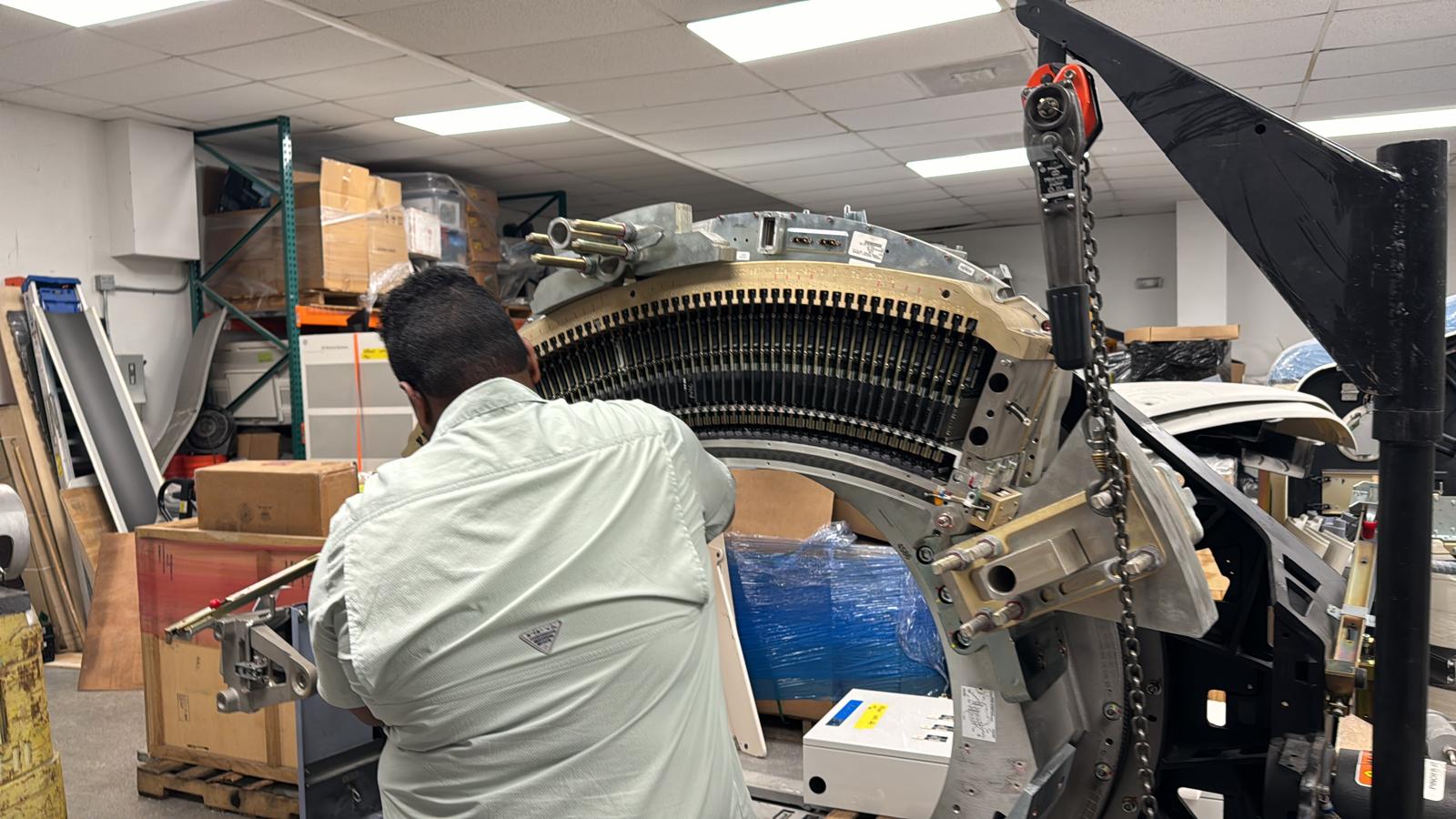
Practical considerations, risk points, and what to ask before you buy, service, move, or maintain imaging equipment.
Considering a lease instead?
Equipment, service, PMs, parts, and applications support can be bundled into one monthly payment.
If this article is about financing, ROI, service contracts, or total cost of ownership, the leasing model may simplify the decision.
A CT scanner service contract may cover preventive maintenance, corrective labor, travel, replacement parts, remote support, and defined response steps, but the exact scope varies by agreement. Never assume that “full service” automatically includes the X-ray tube, detector/DAS, chiller, UPS, software updates, after-hours work, freight, or post-repair testing. Compare each component and responsibility in writing before you sign. Medical Imaging Specialists reviews the exact scanner, location, operating needs, and proposed scope before recommending coverage.
Does a full-service CT contract always include the X-ray tube?
No. The X-ray tube is one of the highest-risk line items in a CT service agreement, and tube coverage is not standardized. One proposal may include tube replacement under defined conditions. Another may exclude the tube, cap reimbursement, prorate coverage based on tube age or usage, or require a separate review before the tube is accepted into the plan.
That difference matters because two contracts can both say “full service” while transferring very different risk to the facility. A clean comparison should answer:
- Is the X-ray tube included, excluded, capped, prorated, or quoted separately?
- Does coverage depend on current tube condition, tube history, or prior service records?
- Who approves tube replacement, and what evidence is required?
- Who handles calibration, image-quality checks, and documentation after replacement?
For facilities in Bradenton, Sarasota, Tampa Bay, and across Florida, this is not just a paperwork issue. A busy CT schedule can be disrupted quickly when tube responsibility is unclear.
What should a CT scanner service contract cover?
A useful service agreement should define the work, exclusions, approval path, and response clocks. At minimum, review these areas:
| Coverage area | What to verify in writing |
|---|---|
| Preventive maintenance | Frequency, checklist scope, documentation, travel, and follow-up recommendations. |
| Corrective labor | Normal-hours labor, after-hours labor, remote support, and diagnostic time. |
| Travel | Included service area, mileage, lodging, weekend terms, and remote-site charges. |
| Parts | New, OEM, refurbished, tested used, exchange/core terms, freight, and approvals. |
| X-ray tube | Included, excluded, capped, prorated, shared risk, or requires system review. |
| Detector/DAS | Covered components, exclusions, calibration steps, and replacement approval. |
| Generator and high-voltage components | Included or quoted case by case. |
| Gantry, table, console, workstation | Mechanical assemblies, boards, software limits, and third-party dependencies. |
| Chiller, cooling, UPS, power | Scanner scope, facility scope, or excluded. |
| Post-repair testing | System checks, documentation, facility acceptance, and qualified third-party testing. |
The point is not to make every agreement cover everything. The point is to avoid discovering the boundary after the scanner is down.
How do full-service, T&M, and PM-only CT agreements differ?
A full-service agreement usually aims to reduce repair-cost variability by bundling preventive maintenance, labor, travel, and defined parts coverage into one plan. It can fit a high-volume scanner, a facility with limited in-house support, or an operation that values predictable risk transfer. The strength of the agreement depends on the exclusions.
Time and materials, often called T&M, keeps service event-based. The facility pays for labor, travel, and parts as needed. T&M can make sense when a scanner is recently refurbished, lower-volume, backed by internal biomedical support, or when repairs can be approved case by case.
PM-only coverage is narrower. It covers scheduled preventive maintenance visits and documentation, while corrective repair remains separately quoted. PM-only can be appropriate when the facility mainly needs documented inspection and maintenance discipline, but it does not transfer major repair risk.
For PM context, see the MIS guide to CT and MRI preventive maintenance and the CT-specific guide on what is included in a CT preventive maintenance visit.
What is the difference between response time and repair time?
Response time is often misunderstood. A proposal may promise a response step without promising repair within that same window. Ask which clock is being measured:
- Acknowledgement: someone confirms receipt of the service request.
- Remote triage: a qualified person reviews symptoms, logs, or error details.
- Dispatch decision: the provider decides whether an engineer should travel.
- On-site arrival: an engineer arrives at the facility.
- Parts availability: the needed part is identified, approved, sourced, or pulled from inventory.
- Restoration: the scanner is repaired, tested, documented, and ready for the facility’s next required step.
Those are different commitments. A clear agreement separates them instead of using one vague “response time” phrase.
Are detector, chiller, software, labor, and travel included?
They might be, but do not assume. Detector and DAS coverage can be handled differently from tube coverage. Chillers and cooling can fall between scanner service and facility maintenance. Software support may be limited by licensing, version, OEM access, or workstation age. Travel may be included inside one service area and separately billed outside it.
Labor can also vary. Normal-hours labor may be included while after-hours, weekend, second-engineer, freight, or extended diagnostic time is separate. If a contract covers parts but not the labor needed to install them, the facility still carries exposure.
Ask for a simple included / optional / excluded / requires-review matrix before comparing quotes.
What information does MIS need to review CT service coverage?
To scope a CT service proposal responsibly, MIS needs scanner details and operating reality. Send PHI-free information only:
- Manufacturer, model, serial number, and software level if known.
- Facility location and service access.
- Current operating state and whether the scanner is down, limited, or running normally.
- Current contract type, expiration date, and known exclusions if available.
- Tube history, detector history, and recent major parts if known.
- Recent PM records, service reports, and recurring errors with patient data removed.
- Desired coverage hours and internal approval process.
- Whether the facility wants full-service, T&M, PM-only, or help choosing.
For repair intake details, use what to send before requesting CT scanner repair service. For parts planning, review the medical imaging parts quote checklist, CT parts page, and CT scanner tube replacement guide.
How should facilities compare CT service contract quotes?
Compare contracts by responsibility, not by label. A lower proposal may leave the facility exposed to tube, detector, chiller, travel, software, or after-hours costs. A higher proposal may still exclude the failure modes most likely to stop the scanner.
Use this practical screen:
- List the scanner model, tube status, detector status, use level, and downtime tolerance.
- Mark each major component as included, optional, excluded, capped, or requiring review.
- Separate acknowledgement, triage, dispatch, arrival, parts, and restoration language.
- Confirm who documents PMs, repairs, parts used, unresolved findings, and recommendations.
- Confirm what the facility owns: room conditions, power quality, HVAC, network, physicist testing, state or accreditation steps, and return-to-use decisions.
- Route the final comparison through the person who owns downtime risk, not only the person approving the invoice.
MIS is based in Bradenton, Florida and supports imaging equipment buyers and operators with service, parts, preventive maintenance, installation, and refurbished-system planning. A contract question can become a parts sourcing question, a tube-risk review, a site-readiness issue, or a replacement-versus-repair decision.
Request a CT service-coverage review
If you are comparing CT service agreements or approaching renewal, request a quote and include the modality, manufacturer, model, location, current operating state, and contract question. If you are not sure which structure fits, say that. MIS can help separate what should be covered, what should be quoted case by case, and what belongs with the facility or another qualified party.
Keep the first request free of patient information, passwords, worklists, reports, and clinical screenshots.
FAQ
Does a full-service CT contract always include the X-ray tube?
No. Tube coverage varies by provider and agreement. It may be included, excluded, capped, prorated, shared-risk, or accepted only after review of the tube and service history.
Are CT detectors and DAS normally included?
They are not automatic. Detector and DAS terms should be listed separately because replacement, calibration, documentation, and exclusions can vary.
Is the chiller or facility HVAC covered by the scanner service provider?
Sometimes scanner-owned cooling equipment is addressed, but facility HVAC, room temperature, water quality, and site conditions may remain the facility’s responsibility.
What is the difference between response time and repair time?
Response time may mean acknowledgement, remote triage, dispatch, arrival, or another step. Repair time depends on diagnosis, approvals, parts, access, testing, and facility requirements.
Does preventive maintenance include physicist testing or accreditation work?
Not necessarily. PM visits, physicist testing, accreditation work, state requirements, and clinical return-to-use decisions can involve different responsible parties. Spell out the scope.
What happens if a needed part is obsolete or unavailable?
The agreement should explain sourcing, substitutions, exchange terms, approval steps, and what happens when a part cannot be sourced under the original scope.
Need help with this exact problem?
Send the modality, site location, timeline, and any system details. MIS will route the request by intent.
Related resources
Ops Playbook
What Should You Send Before Asking MIS to Review an X-Ray System?
Need help deciding whether to service, source parts for, replace, or retire an X-ray system? Send these details before asking MIS for a review.
Ops Playbook
Can an Older X-Ray Room Be Upgraded to DR?
An older X-ray room may be a DR upgrade candidate, but compatibility, workflow, serviceability, and lifecycle risk should be checked before buying a detector.
Ops Playbook
CT Scanner Repair and Maintenance: What Should Your Facility Expect?
What facilities should expect from CT scanner repair and maintenance: intake, triage, parts review, service communication, documentation, and next steps.