
Vendor Vetting
Do Refurbished CT Scanners Need OEM Service Plans?
June 22, 2026 · 6 min · Medical Imaging Specialists
Practical considerations, risk points, and what to ask before you buy, service, move, or maintain imaging equipment.
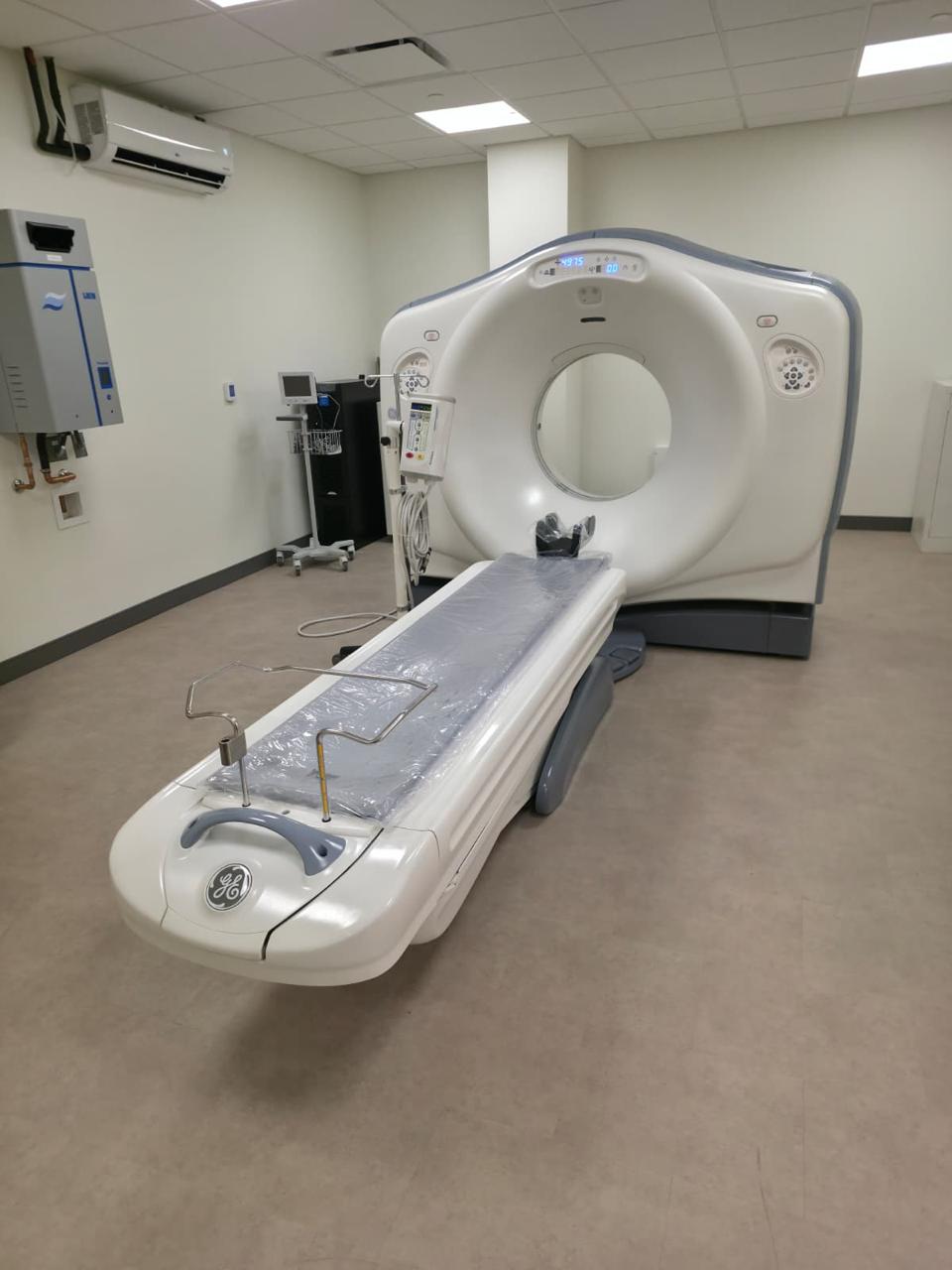
Refurbished CT scanners do not automatically need an OEM service plan, but they do need qualified service, documented preventive maintenance, reliable parts access, and a support path that matches the facility’s uptime risk. For some sites, OEM coverage may still make sense. For many refurbished CT buyers, an experienced independent service organization can support the system well if it has trained engineers, parts sources, service records, and a clear escalation process.
The wrong question is “OEM or independent?” The better question is: who can keep this exact scanner running, document the work, source the right parts, and respond when the schedule is on the line?
Why this question comes up with refurbished CT
CT buyers usually ask about OEM service because they are trying to control risk. That is fair. A CT scanner is not a commodity office device. It has a tube, generator, detector, gantry, table, cooling path, workstation, software options, network dependencies, and room conditions that all affect uptime.
When a facility buys refurbished, the service plan should be part of the buying decision from the beginning. A low equipment price can get expensive if the scanner is hard to support, the tube history is unclear, or parts are scarce.
That does not mean OEM service is the only serious option. It means the facility needs proof that the service provider understands the model and can support the machine in the real world. MIS looks at CT equipment as a lifecycle asset: sourcing, refurbishment, installation, PM, parts, service response, and eventual replacement all connect.
If you are still comparing systems, start with what to look for when buying a used CT scanner and the CT scanner hidden-cost guide.
When OEM service may make sense
OEM service may be a good fit when the scanner is newer, heavily software-dependent, under an existing OEM relationship, or tied to facility policies that require OEM involvement. Some hospitals also prefer OEM support when they want one vendor to cover a broader fleet across many sites.
There are cases where software access, proprietary tools, advanced options, or contractual requirements make the OEM path cleaner.
The key is to read the scope. “OEM service” does not automatically mean every tube, detector, travel hour, software issue, or uptime event is covered the way a buyer imagines. A facility should still ask what is included, what is excluded, response expectations, parts responsibility, PM frequency, documentation, and end-of-support status.
Buy the scope, not the logo.
When independent CT service can work well
Independent service can work well when the provider has CT-specific experience, real parts access, documented PM processes, and a practical understanding of the installed base. Refurbished scanners often stay productive for years when the service provider knows the platform and plans around known risk points.
The strongest independent service teams do not just send a technician after a failure. They review service history, monitor recurring issues, document PM findings, confirm part compatibility, and help the facility decide when repair still makes sense versus when replacement planning should start.
For CT, that means watching the tube and cooling path, gantry and table function, detector behavior, image-quality complaints, recurring error patterns, workstation reliability, room environment, and power/cooling conditions.
MIS supports CT buyers with medical imaging service, parts sourcing, service agreements, and refurbished CT equipment. That combination matters because service is not separate from parts availability or equipment history.
The questions to ask before choosing a CT service path
Before choosing OEM, independent, PM-only, full service, or time-and-materials support, ask practical questions:
- Who performs the work: in-house engineers or subcontractors?
- What preventive maintenance schedule is recommended for this system and usage level?
- What is included in PM, and what is billed separately?
- Can the provider source the tube, detector, table components, boards, power supplies, and cooling-related parts?
- What is the response process if the scanner is down?
- What happens if the issue requires escalation?
The answers should be specific. If a vendor cannot talk clearly about the scanner model, tube situation, parts path, service records, and escalation process, the plan is not ready.
For a deeper look at maintenance scope, read what is included in a CT preventive maintenance visit and the broader guide to medical imaging service contracts.
Parts access is the real service test
CT service is only as good as the parts path behind it. A fast diagnosis does not help much if the required component is unavailable, incompatible, or weeks away with no backup plan.
For refurbished CT scanners, buyers should ask about high-risk parts before they buy the system. Tube availability is obvious, but detector modules, generator components, table parts, gantry electronics, workstations, power supplies, cooling components, and cables can all affect uptime.
Ask for two real parts paths when possible: primary source and backup source. Ask how compatibility is confirmed and whether the provider maintains inventory or starts searching only after the scanner fails.
The refurbished imaging equipment parts availability guide explains why parts support should be checked before the system is installed, not after downtime starts.
Common mistakes facilities make
The first mistake is assuming OEM service is automatically safer. It may be the right answer, but only if the scope, response, parts coverage, software support, and cost structure fit the facility.
The second mistake is assuming independent service is automatically cheaper. A weak independent plan can cost more if it leads to repeat visits, poor documentation, wrong parts, or avoidable downtime.
The third mistake is buying the scanner before confirming serviceability. A CT can look like a good deal on paper and still be a poor fit if critical parts are scarce or the local service path is thin.
The fourth mistake is treating PM as a guarantee. Preventive maintenance reduces risk and creates documentation, but it cannot eliminate every tube failure, detector issue, cooling problem, or electronic fault.
The fifth mistake is sending unfiltered screenshots, logs, labels, or documents that include patient information. Service teams need system details, error messages, and photos when appropriate, but facilities should remove PHI before sending anything outside their internal workflow.
How to decide what is right for your facility
The right CT service path depends on the scanner, volume, location, uptime tolerance, budget predictability, and internal support. A high-volume emergency department CT has a different risk profile than a lower-volume outpatient scanner.
Use a simple decision filter:
- If the facility can tolerate some variability, time-and-materials support may work.
- If downtime is expensive and predictable budgeting matters, a structured PM or service agreement deserves a serious look.
- If parts risk is rising and downtime is repeating, start discussing replacement or temporary capacity through mobile imaging leasing.
The strongest plan is the one that matches the asset and the business risk. What matters is that the facility knows who owns the next service event before the scanner goes down.
FAQ
Can an independent service provider maintain a refurbished CT scanner?
Yes, when the provider has CT experience, access to the right parts, qualified engineers, clear documentation, and a support process for that specific make and model. The facility should verify scope before signing.
Does using independent service reduce CT image quality?
Service quality depends on the people, process, tools, parts, and documentation involved. A qualified service provider should maintain the scanner according to the system’s needs and avoid unsupported shortcuts.
Is OEM service required for refurbished CT equipment?
Not automatically. Requirements can depend on facility policy, contract terms, software access, accreditation workflow, risk tolerance, and the scanner itself. Buyers should confirm their own operational and policy requirements before choosing.
What should I send before requesting CT service support?
Send the modality, manufacturer, model, serial number, site location, symptoms, error codes, recent service history, downtime status, urgency, and PHI-free photos or screenshots if useful.
Should older CT scanners be on a service agreement?
Often, yes, if uptime matters and parts risk is increasing. The agreement should be based on system age, scan volume, service history, parts exposure, and the facility’s tolerance for downtime.
Schema recommendation
Use Article or BlogPosting schema for the post and FAQPage schema for the FAQ section. Service schema is appropriate on related CT service, preventive maintenance, and service-agreement pages if the site supports approved service-scope wording. Avoid Offer or price schema unless MIS has approved public pricing.
Need help deciding whether OEM, independent service, PM-only, or a service agreement fits your refurbished CT scanner? Send MIS the make, model, serial number, service history, current symptoms, location, and uptime requirements through medical imaging service, contact, or a scoped quote request.
Need help with this exact problem?
Send the modality, site location, timeline, and any system details. MIS will route the request by intent.
Related resources
Ops Playbook
Should Older Imaging Equipment Be Serviced More Often?
Older CT, MRI, PET/CT, and X-ray systems may need closer service planning as scan volume, parts risk, environment, and downtime history change.
Vendor Vetting
What Certifications Come With Used Medical Equipment?
Used imaging equipment should come with clear system records, test documentation, and compliance paperwork buyers can verify before purchase.
Vendor Vetting
Can an Independent Service Provider Service Imaging Equipment?
Can an independent service provider service CT, MRI, PET/CT, or X-ray equipment? Yes, if the scope, training, parts, and documentation fit.